The Day My Body Spoke, But My Voice Went Silent
A story about getting my first period at fourteen, growing up ahead of my age group, knowing the facts but struggling to find the courage to speak.
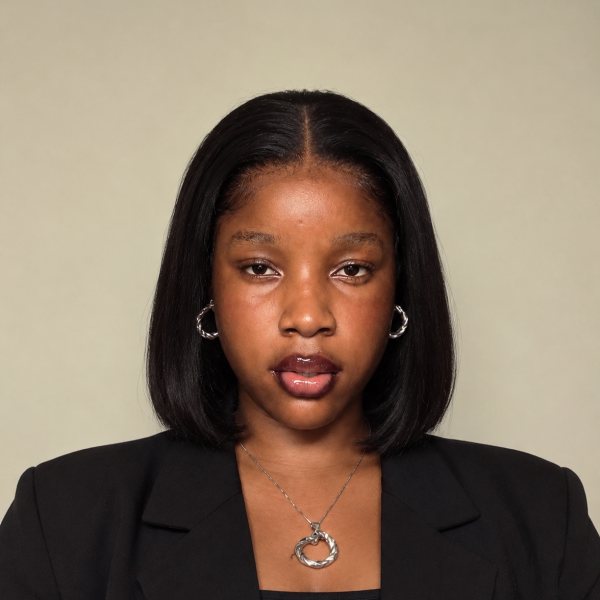
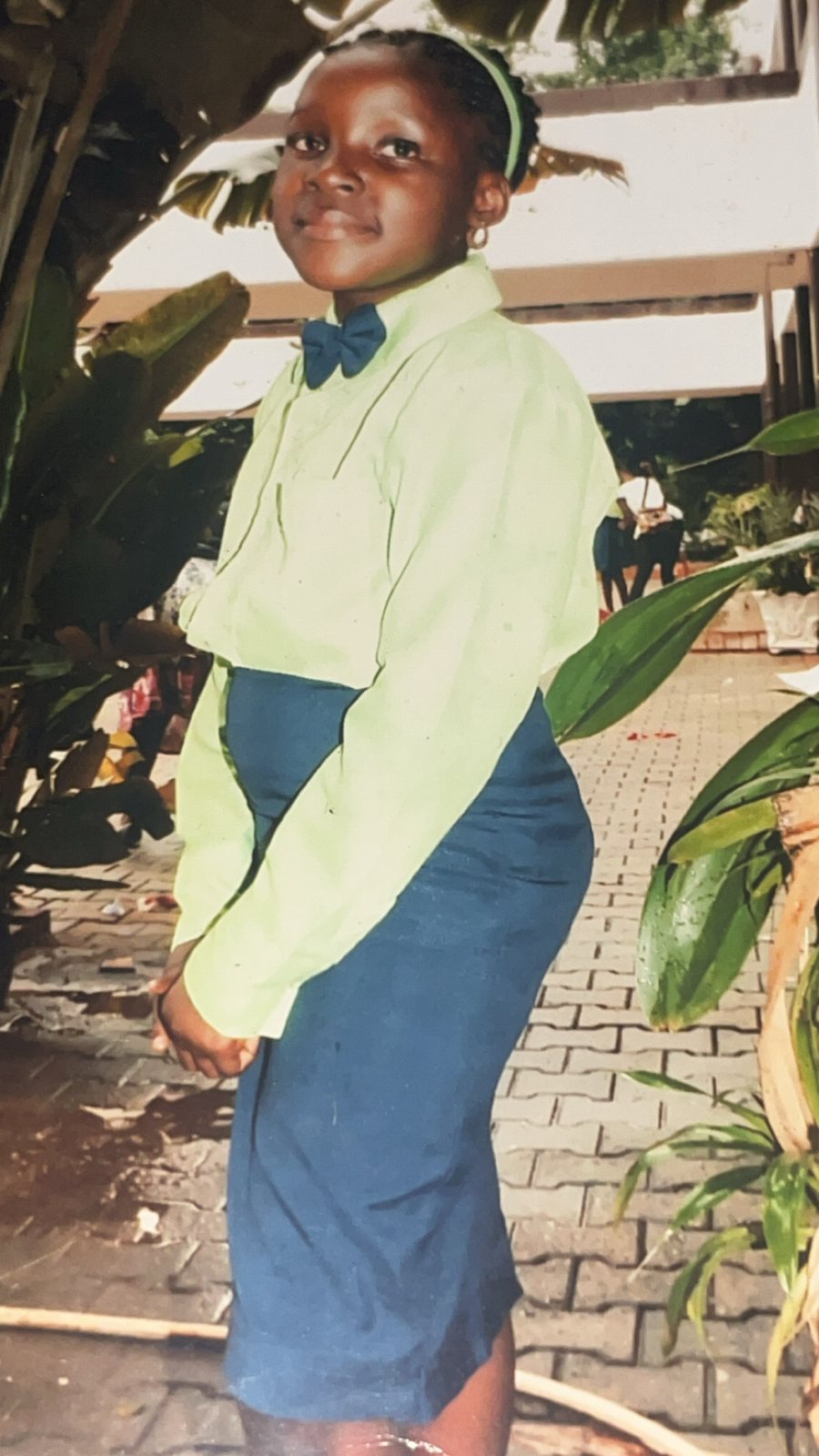
I was fourteen when my body introduced me to a new chapter of womanhood.
I remember the age, but I cannot quite remember whether I was prepared for the emotions that came with it. What I do remember is that I wasn’t entirely unfamiliar with menstruation. I had already been educated about it. I knew what a period was, why it happened, what the menstrual cycle meant and why it was a natural part of growing up.
Growing up ahead of my age group added another layer to the experience. I was exposed to conversations, information and knowledge about menstruation earlier than most people around me. By the time I was fourteen and experienced my first period, I already understood what was happening to my body. I knew the terminology, the process and the importance of menstrual hygiene. In many ways, I was informed beyond what people expected of someone my age.
But growing up ahead of my age group did not necessarily mean I had outgrown the fear of certain conversations.
I could talk about periods with girls. I could discuss menstrual hygiene, sanitary pads, cramps, cycle tracking and everything in between. I could even correct misconceptions when they came up in conversations among girls.
But whenever the opposite gender entered the conversation, something changed.
My voice disappeared.
It was almost ironic. How could someone who was already educated about menstruation suddenly become so uncomfortable when a boy mentioned it?
Sometimes, a boy would casually say something about periods, and I would immediately become quiet. Not because I didn’t know what to say, but because I was afraid of what might happen if I said it.
Would they laugh?
Would they look at me differently?
Would they think I was too comfortable discussing something society had taught us to keep private?
Would my willingness to speak about menstruation be misunderstood?
I had questions, but I never asked them. I had answers, but I swallowed them. I had the knowledge, but somehow, I lacked the confidence to use it in certain spaces.
I was growing up ahead of my age group in knowledge, but I was still learning to catch up with the confidence to use that knowledge without fear.
For a long time, I thought the silence was simply part of being a girl. Perhaps menstruation was something we were supposed to understand, manage and discuss among ourselves, away from the hearing of boys and men.
But growing older made me question that belief.
Why should I be comfortable discussing a natural biological process with one gender and suddenly feel ashamed when another gender is involved?
Why should a conversation about something that happens to millions of girls and women every month feel like a secret that must be protected from boys?
I began to understand that being educated about menstruation and being comfortable discussing it were two entirely different things.
I had received the information, but I was still unlearning the shame attached to it.
And perhaps that was the part nobody prepared me for.
Nobody told me that even after learning about my body, I might still struggle to talk about it. Nobody explained that the silence surrounding menstruation could follow an educated girl into adulthood. Nobody told me that sometimes, the biggest barrier to menstrual health awareness isn’t the absence of information but the fear of being judged for speaking.
Today, when I look back at that fourteen-year-old girl, I don’t blame her for going silent. She was navigating a society where periods were often discussed in whispers, where girls learnt to hide sanitary pads and where the mention of menstruation in the presence of boys could attract unnecessary jokes.
She knew what menstruation was. She simply hadn’t learnt that she was allowed to speak about it without apologising for its existence.
And that is the difference I want to make.
I want to live in a world where a girl doesn’t have to lower her voice when asking for a sanitary pad. Where a boy can understand menstruation without turning it into a joke. Where fathers, brothers, male teachers and male friends can participate in menstrual health conversations without making girls feel exposed.
Because menstrual health is not exclusively a girl’s conversation. It is a human conversation that requires understanding, empathy and education.
I started my period at fourteen. I was educated enough to understand what was happening to my body, but not confident enough to discuss it freely with everyone.
Now, I am learning that my voice deserves just as much space as my knowledge.
Perhaps the real beginning of my menstrual journey wasn’t the day I saw blood for the first time. Perhaps it was the day I decided that I would no longer allow the fear of someone else’s reaction to silence my voice.
My period was never something to be ashamed of. And neither should my voice be.