
The female body is unique and possesses certain functions that play essential roles in reproductive health. One of these is the menstrual cycle, which begins on the first day you menstruate. During this period, your body undergoes several internal changes that can affect how you look, feel, and act.
Once you get your first period, your menstrual cycle continually recurs like a loop until you reach menopause. As an ongoing process, it can influence much of your life and actions. Understanding it can help you know what changes to expect and how to handle them. Keep reading to learn more about menstruation, the cycle surrounding it, and how it can affect you.
What Does it Mean to Menstruate
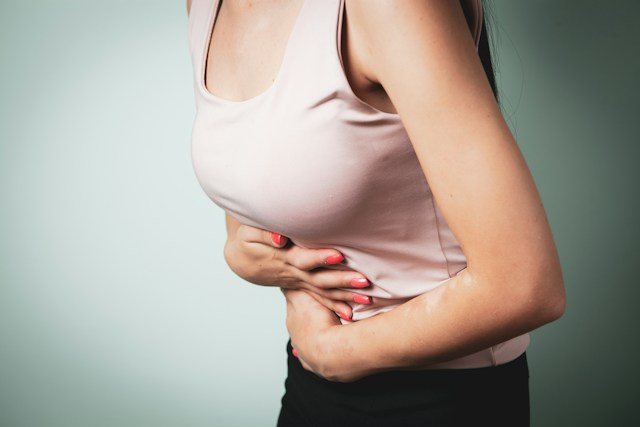
The term menstruate describes the monthly discharge of blood and tissue from the body of a girl or woman. It signifies the absence of a pregnancy in a fertile female. The bleeding lasts 3-5 days and may be accompanied by mild pain.
For some people, it can last as little as 2 days or as long as 7 days. Anything beyond 7 days is abnormal and requires medical attention. Other words typically used to refer to this process include: period, menses, and menstrual flow.
Several factors, including genes, hormones (chemicals that tell the body what to do), nutrition, and body weight, determine when a girl gets her first period. The first period comes during puberty as a sign that the body and reproductive system are maturing. Although it’s commonly experienced between ages 12 and 15, some get theirs earlier or later. There’s no fixed time.
The symptoms of the menstrual period are the signs for identifying its approach. They differ for every female, and you might experience a different set every month. Here are some common symptoms to expect:
- Cramps
- Bloating
- Acne
- Soreness of the breast
- Lower back pain
- Food cravings
While the bleeding lasts for a few days, several hormones rise and fall before and after. These hormonal changes and their effects are part of a larger process that makes up the menstrual cycle.
What Is the Menstrual Cycle
The menstrual cycle is a series of events and changes that occur as your body naturally prepares for a possible pregnancy. Your cycle begins on the first day of your monthly period and ends on the first day of the next.
The average cycle length is 28 days, but this isn't a fixed timeline. It can range between 21 and 35 days depending on factors like stress, weight loss or gain, pregnancy, breastfeeding, or even ongoing medication. Irregular periods, reported in 13% of Nigerian schoolgirls, can also distort cycle length.
Your menstrual cycle consists of your period and other distinct phases, each with its own symptoms.
The 4 Phases of Your Menstrual Cycle
Menstruation isn’t all there is to the cycle. The entire cycle doesn’t happen in one stretch. It has four distinct phases, each with its own characteristics. Below are the phases and what they entail.
Menstrual Phase
In this phase, the presence of an unfertilized egg causes your estrogen and progesterone levels to drop. Then the tissue that makes up the lining of the uterus breaks down and flows out of the body as you menstruate.
Follicular Phase
The follicular phase overlaps with the previous one, as it starts on day 1 of your period. It approximately runs for 13-14 days, during which the follicle-stimulating hormone (FSH) causes follicles to grow in the ovaries. The uterus becomes thicker as follicles grow and estrogen gradually increases. However, only one follicle develops to become an egg.
Ovulation Phase
Around the middle of your cycle, the rise in estrogen triggers an increase in the luteinizing hormone (LH). The LH then causes the mature follicle to release an egg into either the left or right fallopian tube. This phase lasts for a day or two and can cause slight lower abdominal pain.
Luteal Phase
The follicle that releases a mature egg transitions to a temporary hormone-producing structure known as the corpus luteum. This structure secretes progesterone and a bit of estrogen, which thickens the uterine lining, preparing it for possible conception. The luteal phase may last for about 14 days. If you don’t get pregnant, the cycle moves back to the menstrual phase
Facts About The Menstrual Cycle
The menstrual cycle of every female is unique. External and internal factors also affect it, so to understand it better, here are 8 important facts to note:
- Two major hormones, estrogen and progesterone, are responsible for the entire cycle.
- It’s common for adolescents to have irregular cycles as the reproductive system is still developing.
- Changes in your menstrual cycle can provide clues about your reproductive health.
- Your cycle can vary slightly from month to month, even when you are healthy.
- Stress, exercise, and major changes in body weight can affect the cycle.
- Poor nutrition and inadequate calorie intake can contribute to irregular or missed periods.
- Not every menstrual cycle involves ovulation. Some cycles are anovulatory.
- Hormonal fluctuations during your cycle can affect your health and well-being.
Remember, your cycle is different from that of other females around you, regardless of whether they’re family or share similar traits with you.
The Connection Between Your Menstrual Cycle and Mood
Before your period begins, you might feel grumpy, weak, less energetic, sad, and even irritable. These are normal, so if you experience any ill or negative feelings, don't worry. The sudden mood change is due to the rise and fall of your hormones. Beyond reproduction, they influence the neurotransmitters in your brain that regulate your emotions.
As estrogen and progesterone levels drop, your metabolism slows, resulting in weakness, mental fog, and fatigue. The brain can temporarily struggle to produce sufficient serotonin, the chemical compound that stabilizes your mood and helps you feel happy. As such, you're more likely to get sad and cry.
Estrogen also boosts dopamine, which improves focus, so its reduction can contribute to poor concentration and forgetfulness. As your hormones begin rising, you’ll notice an improvement in your mood, energy, strength, and mental clarity. However, those who are highly sensitive to hormonal surges may still feel anxious and irritable.
So depending on how your body reacts, you might experience multiple mood shifts during your cycle. These shifts and reactions are part of what makes up premenstrual syndrome. Tracking your menstrual cycle can help you understand your mood patterns and prepare for changes before they occur.
To manage your symptoms, you can prioritize sleep, eat balanced meals, and engage in relaxing activities. However, if your mood changes are severe and persistent, consider visiting a healthcare professional, as it may be a sign of a more serious condition such as premenstrual dysphoric disorder.
Frequently Asked Questions (FAQs)
How much blood will I lose during my period?
You are expected to lose approximately 30–40 milliliters of blood, which equates to 2-3 tablespoons. However, remember that your period consists of other elements besides blood.
What is the difference between PMS and PMDD?
PMS is the physical and emotional symptoms that occur before menstruation, while PMDD is a severe condition that can cause intense mood disturbances and persistent emotional issues.
Can I get my period twice in one month?
Depending on your cycle length, you may menstruate twice within one calendar month. This is particularly common for those with shorter cycles. For example, someone with a 21-day cycle may have one period at the beginning of the month and another towards the end.
Final Thoughts
Beyond menstruation, your cycle involves several changes that influence fertility, physical well-being, and your mood. Although these changes are natural, individual experience often differs. So, it’s important that you pay attention to your body, track your periods, and note any unusual changes in your cycle. The more you understand your menstrual cycle, the better equipped you are to make informed decisions about your health and well-being.