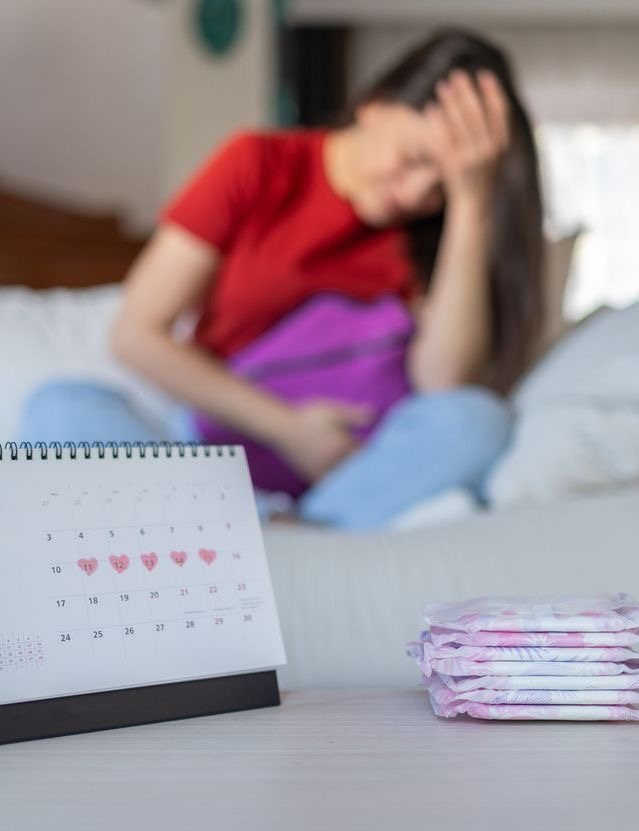
The Beginning of Her Pain: A Girl Child’s Story

Chapter One: The Day Everything Changed
For many girls, the beginning of menstruation is a milestone that marks the transition from childhood into adolescence. It is a moment filled with questions, uncertainty, and sometimes fear. But for some girls, especially those growing up in communities where poverty, harmful traditions, and gender inequality prevail, the beginning of their period can mark the start of a much darker journey.
She was only a young girl, full of dreams and curiosity about the world. She imagined a future where she could go to school, become someone important, and make her family proud. She wanted to learn, to grow, and to discover what life had to offer. But she had no idea that something as natural as menstruation could become the beginning of her suffering.
When she experienced her first period, she was frightened. She did not understand what was happening to her body. No one had prepared her for it, and no one had explained that menstruation was a normal part of growing up. Instead of receiving comfort, education, and reassurance, she was confronted with silence, shame, and a future she had never chosen.
In her community, a girl’s body was often treated as a measure of her readiness for marriage rather than a reminder that she was still a child. Her first period, which should have been an opportunity to teach her about her health and wellbeing, became a reason for adults to begin making decisions about her future.
She had barely understood what was happening to her body before the world began telling her what her body meant.
Chapter Two: A Childhood Used as Collateral
Poverty had already placed a heavy burden on her family. Debts accumulated, opportunities became scarce, and survival became more important than dreams. In a world where desperation often silences compassion, she gradually became a bargaining tool in a struggle she did not create.
Her family began to see her marriage as a possible solution to their financial difficulties. The idea that she could be given away to settle debts or secure financial support became more powerful than her right to remain a child.
She listened as adults discussed her future, yet nobody asked what she wanted. Nobody asked whether she was ready for marriage, whether she wanted to continue her education, or whether she understood the responsibilities being placed before her.
She was still a child who needed guidance, protection, and love. She needed someone to explain menstruation to her, provide her with sanitary products, and teach her how to care for her changing body. Instead, she was expected to carry the weight of adult decisions.
Her period did not make her emotionally mature. It did not prepare her for motherhood, marriage, or the responsibilities of running a home. It simply meant that her body was developing naturally.
Yet, in the eyes of those around her, that natural development became a justification for taking away her childhood.
Every passing day brought her closer to a future she had never imagined for herself. The classroom that once held her dreams began to feel distant. Her books remained untouched, and the future she had hoped to build slowly faded behind decisions made without her consent.
She wondered why growing up had to mean losing everything she loved.
Chapter Three: The Voice She Deserved to Have
But her story must not end with silence.
Behind every girl forced into early marriage is a child whose dreams deserve to be heard. Behind every girl used to settle a debt is a life that should never have been treated as a commodity. And behind every girl who experiences menstruation without proper education or support is a society that must do better.
Menstruation is not a debt to be repaid. It is not a permission slip for marriage. It is not proof that a girl is ready to become a wife or mother. It is a natural biological process that deserves understanding, dignity, and care.
A girl who begins menstruating needs education, not exploitation. She needs protection, not pressure. She needs access to menstrual hygiene products, accurate information, emotional support, and the opportunity to continue her education.
Her family needs support to overcome poverty without sacrificing her future. Her community needs to challenge traditions that place financial interests above a child’s rights. And society must recognize that protecting the girl child requires more than sympathy; it requires action.
Imagine a world where her first period is met with reassurance rather than fear, where she receives sanitary products instead of shame, where her education is protected rather than interrupted, and where no one can use her childhood as collateral for a debt.
Imagine a world where she is allowed to grow at her own pace, discover her abilities, and decide what kind of future she wants to build when she is old enough to make those decisions.
She deserves that world.
And until that world becomes a reality for every girl child, her story must be told.
Because no girl should have to pay for her family’s poverty with her childhood, her education, or her freedom.
Every girl deserves the right to menstruate with dignity, grow up safely, and dream without limits.