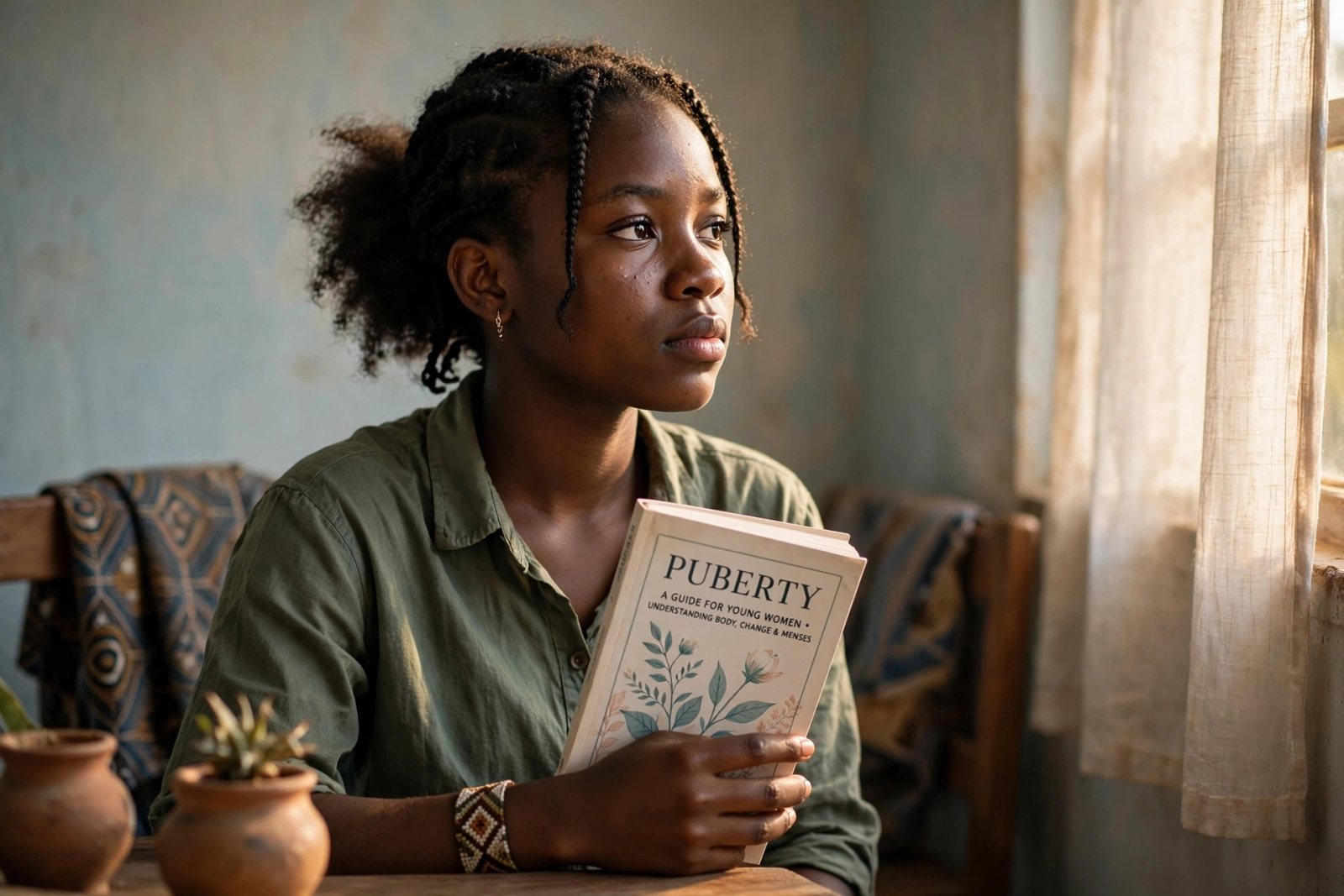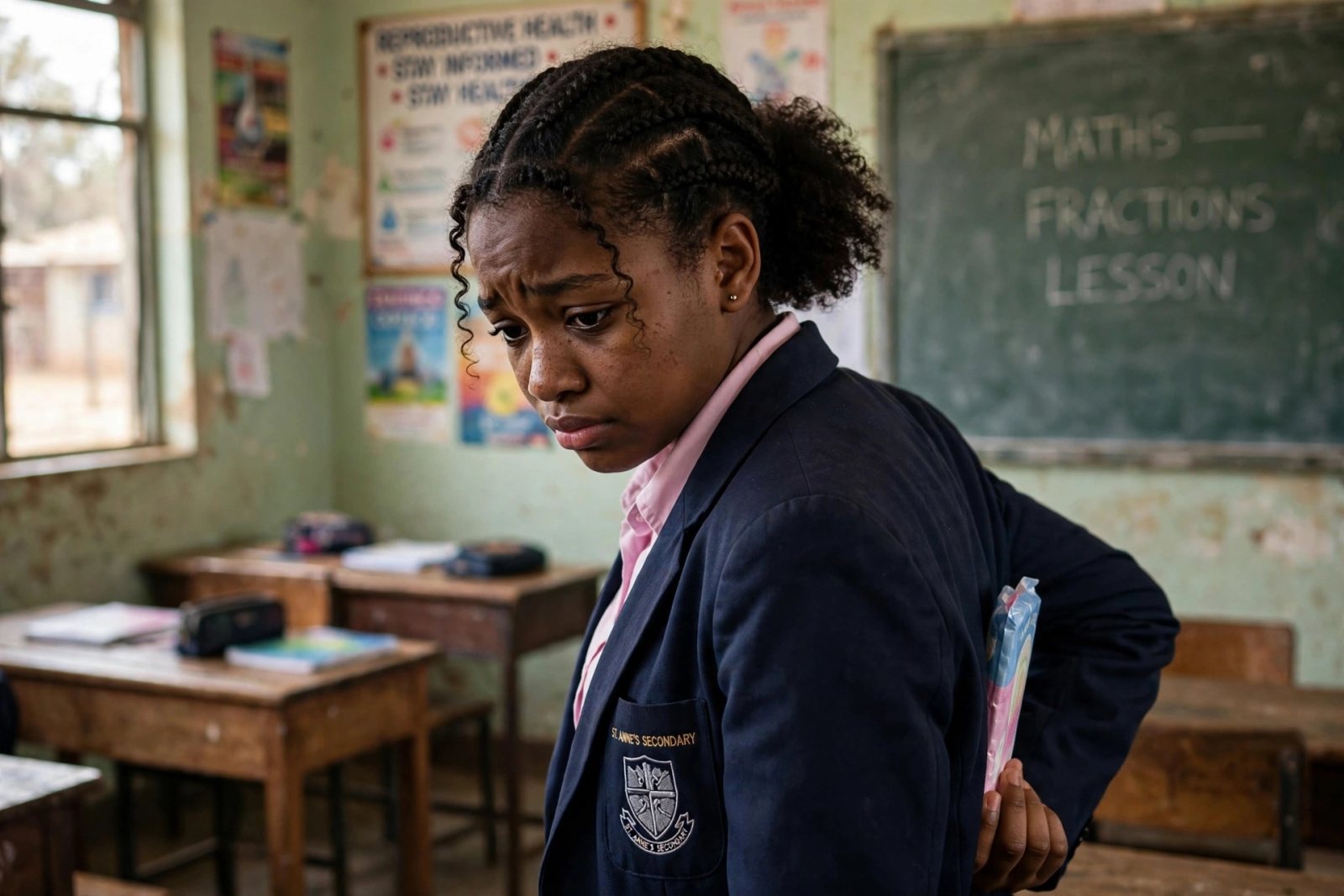
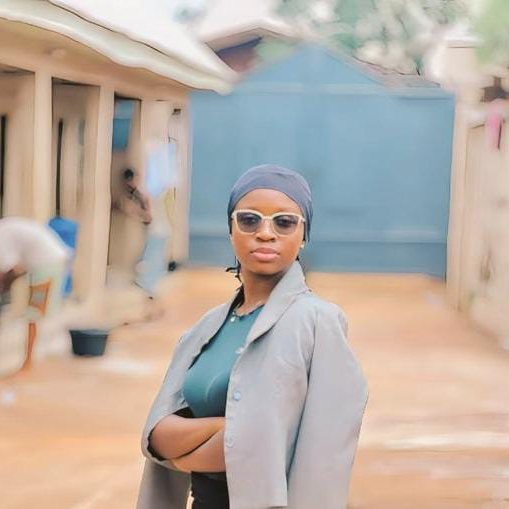
For a long time, I lived my life keeping conversations about menstruation, female puberty, and the changes girls experience as secrets. These were topics I rarely spoke about openly. Like many girls, I grew up in a world where menstruation was something to hide, questions about puberty were uncomfortable, and conversations about the female body were often surrounded by silence.
Then came 2020.
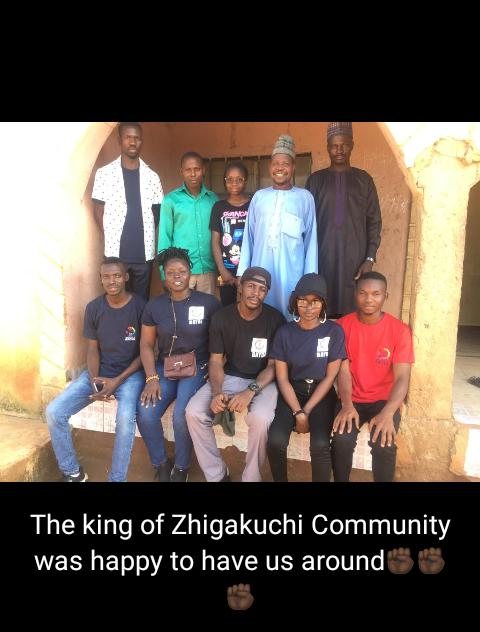
A young man invited me to participate in a Pad the Girl outreach. At the time, I had no idea that accepting that invitation would change the direction of my life forever. It was not just an outreach where sanitary pads were distributed to girls; it was an opportunity to empower them, educate them, and expose me to realities I had never encountered so closely.
For the first time, I witnessed the harsh realities of girlhood in some communities. I saw teenage girls who had already become mothers. I encountered young girls married off to men old enough to be their fathers. Many of these girls could barely communicate in English, and there was no school in the village.
I stood there, confronted by a reality that was far removed from the world I knew. These were girls whose childhoods were being interrupted, whose voices were barely heard, and whose opportunities were limited before they could even understand what those opportunities meant.
I left that outreach with questions, a burden in my heart, and a determination to become part of the change these girls needed.
That was how my girl-child advocacy journey began.
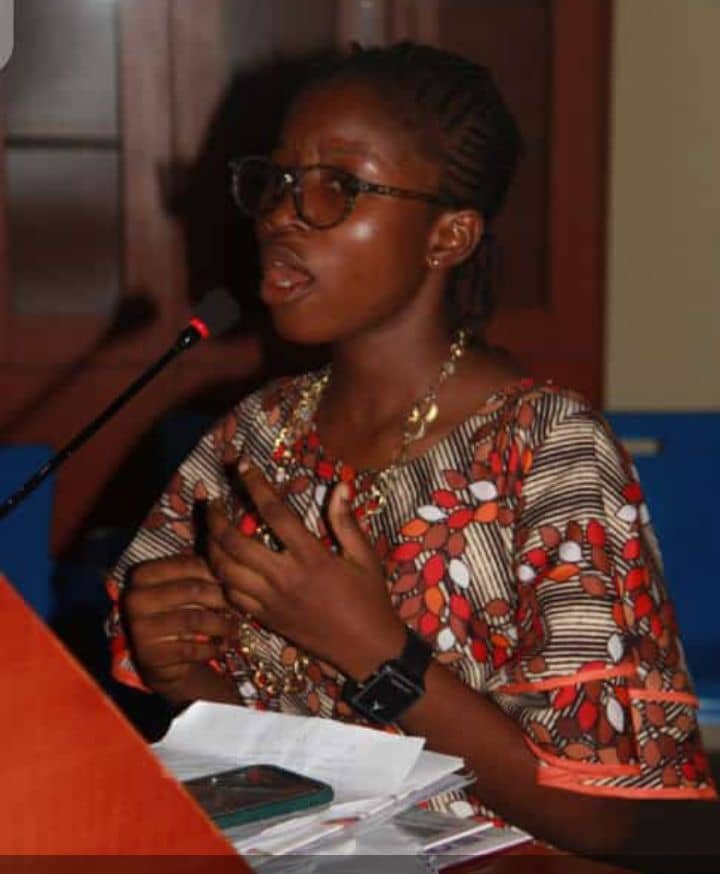
My journey began with learning to speak confidently about menstruation and menstrual health. What had once been a secret became a subject I was willing to discuss publicly.
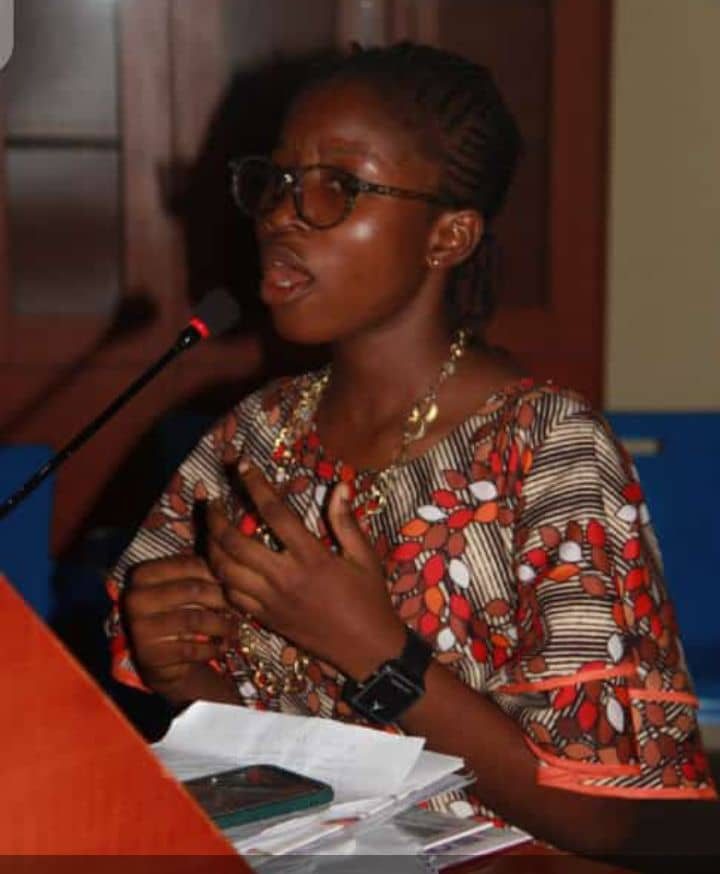
Gradually, my advocacy expanded. I began using poetry, spoken-word performances, and other creative expressions to address issues affecting girls and women. I recited poems about rape, female genital mutilation (FGM), child marriage, and other forms of gender-based violence.
With every performance and every outreach, my passion for the girl child grew stronger.
But finding my voice also meant learning to live with the questions and labels that came with it.
"Have you been raped before?"
"Feminist!"
"Girl child!"
"Do you hate men?"
These were some of the questions and labels that followed me.
Sometimes, it felt as though people needed a personal tragedy to justify my passion. They struggled to understand why a young girl would care so deeply about the experiences of other girls.
But I was learning that you do not have to experience every injustice personally before you can speak against it. You do not have to be a victim of child marriage to oppose it, a survivor of rape to condemn sexual violence, or a mother to care about the future of a girl child.
I was learning that advocacy is not necessarily about having all the answers. Sometimes, it begins with the courage to ask questions that others would rather ignore.
Along the way, I encountered the stories of remarkable women and advocates, including Malala Yousafzai, Aisha Jankali, and Chioma Nwosu. Their stories and the work of other passionate advocates reminded me that one voice, one action, and one determined individual can contribute to meaningful change.
My voice grew stronger. My confidence increased. And my commitment to the girl child became more than an interest; it became a responsibility I willingly carried.
HAPPY INTERNATIONAL DAY OF THE GIRL CHILD