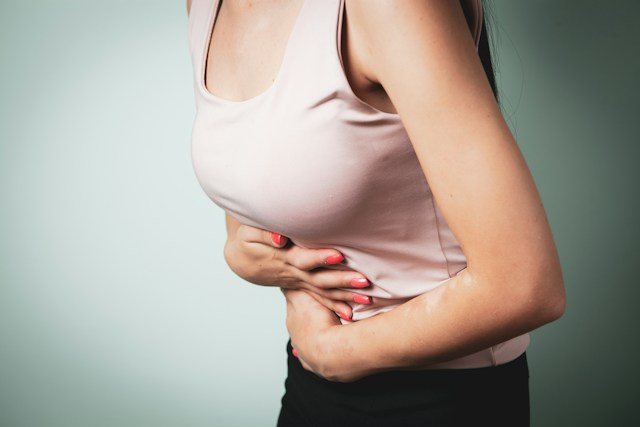

Let's talk about one of the things I fear the most: MENSTRUAL CRAMPS!
Menstrual cramps, medically known as dysmenorrhea, are painful cramps felt in the lower abdomen before or during menstruation. For some girls, the pain is mild, while for others, it can interfere with their daily activities.
I can't count how many events/school days I've missed because of menstrual cramps.
WHAT CAUSES MENSTRUAL CRAMPS?
1. Prostaglandins:
These are hormone-like substances that cause the uterus to contract during menstruation. High levels can cause more intense cramps.
2. Underlying medical conditions:
Conditions such as endometriosis, adenomyosis, and uterine fibroids can cause severe menstrual pain.
3. Family history:
Girls with family members who experience menstrual cramps are mostly likely to get menstrual cramps too. You hear them say "my mum said she used to have severe pains during her period too"
4. Stress:
Stress poses a lot of women to menstrual pain and even heavy flow. I remember sometime in 2023, I menstruated for 9 days with serious cramps and when I saw a doctor, he said it was caused by stress. After taking good rest, it stopped.
5. Sedentary lifestyle:
Physical inactivity may be associated with worse menstrual symptoms in some individuals. Sometimes when I begin to feel menstrual cramps mildly, taking a stroll helps to reduce the pain.
Myth : Being a virgin does causes menstrual cramps!
Also, eating sugary foods has not been proven to be a direct cause of dysmenorrhea.
HOW TO RELIEVE MENSTRUAL CRAMPS (WITH MY PERSONAL EXPERIENCES)
1. Use of heat:
Use a warm-water bottle or heating pad on your lower abdomen. I consider this a short term relief for me, because once the heat is off the site, I get the pain again.
2. Warm bath:
Warm water may help relax your muscles and ease discomfort.
This works like magic for me sometimes because after the bath, I feel sleepy.
3. Exercise:
Gentle exercises such as, walking, squats, and stretching may help relieve cramps.
4. Manage stress: Relaxation, adequate sleep, and deep breathing may help.
5. Use of pain relief:
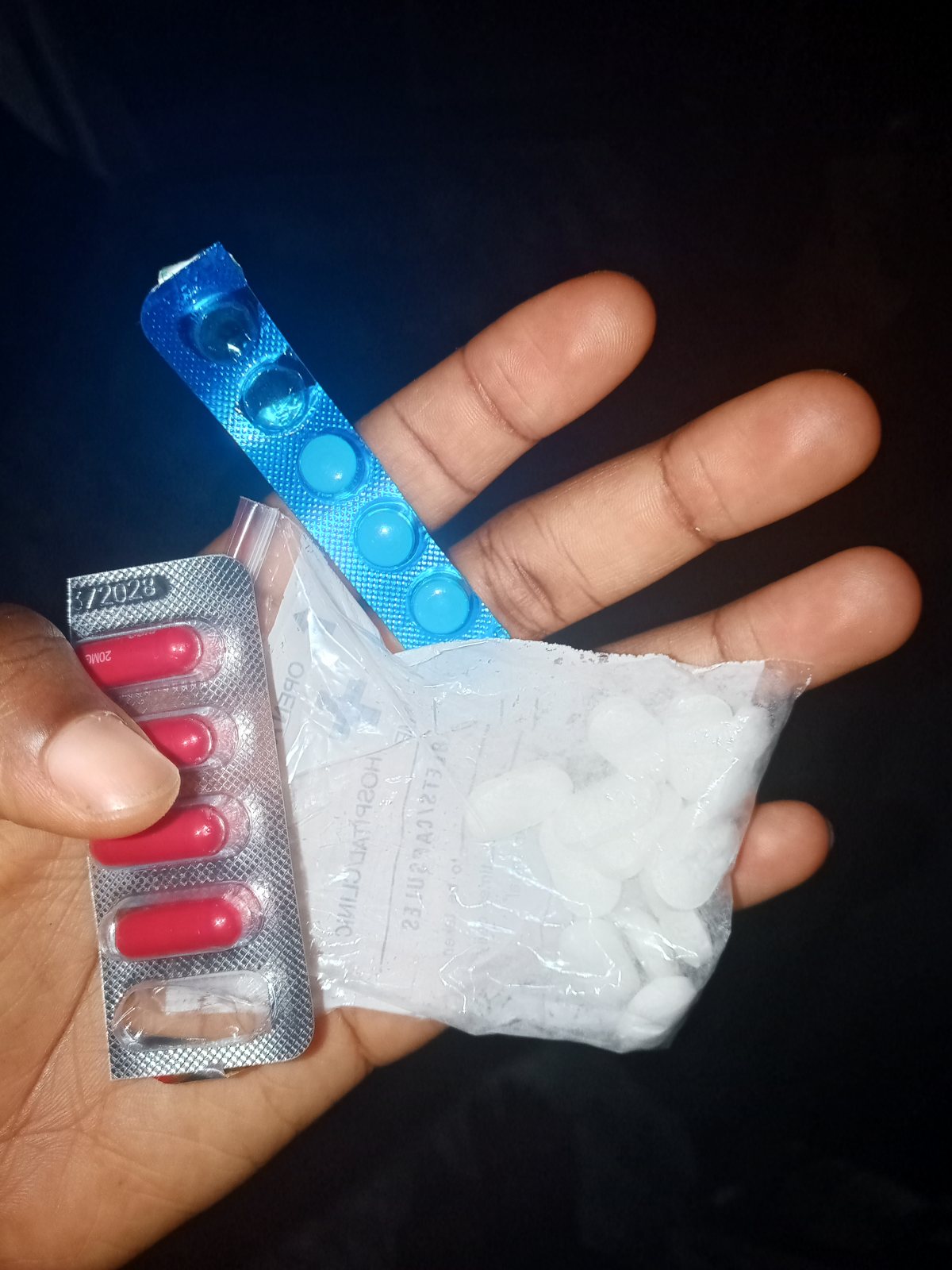
Drugs such as paracetamol may help. Drugs like Felvin, ibuprofen and some pain relievers are often prescribed. But this is not recommended for everyone. Follow the recommended dosage and seek advice from a healthcare professional if you are unsure.
Note that, if your menstrual cramps keep getting severe or begins to interfere with your daily activities, it is advisable to seek medical attention.