
Not Just a Period: What Your Cycle Is Trying to Tell You
For many girls and women, a period is something to endure quietly. We learn early to hide pads in sleeves, whisper to friends, and push through cramps as though nothing is happening. But the menstrual cycle is far more than a monthly inconvenience. It is one of the clearest signs of what is going on inside the body, and learning to read it is one of the simplest ways to look after yourself.
A typical cycle lasts between 21 and 35 days, counted from the first day of one period to the first day of the next. Bleeding usually lasts three to seven days. Not every cycle will match the textbook, especially in the first few years after menstruation begins, when the body is still finding its rhythm. Stress, sudden weight changes, illness, and poor sleep can all shift your dates. What matters is knowing what is normal for you, so you can notice when something changes.
Some discomfort is common, but pain that keeps you from school, work, or daily life is not something you simply have to accept. Very heavy bleeding that soaks through a pad or tampon every hour or two, periods that stop for months without pregnancy, or cycles that become suddenly irregular are all reasons to see a health worker. Conditions like endometriosis and polycystic ovary syndrome are often missed for years because people were told their pain was normal. Speaking up early can save a great deal of suffering.
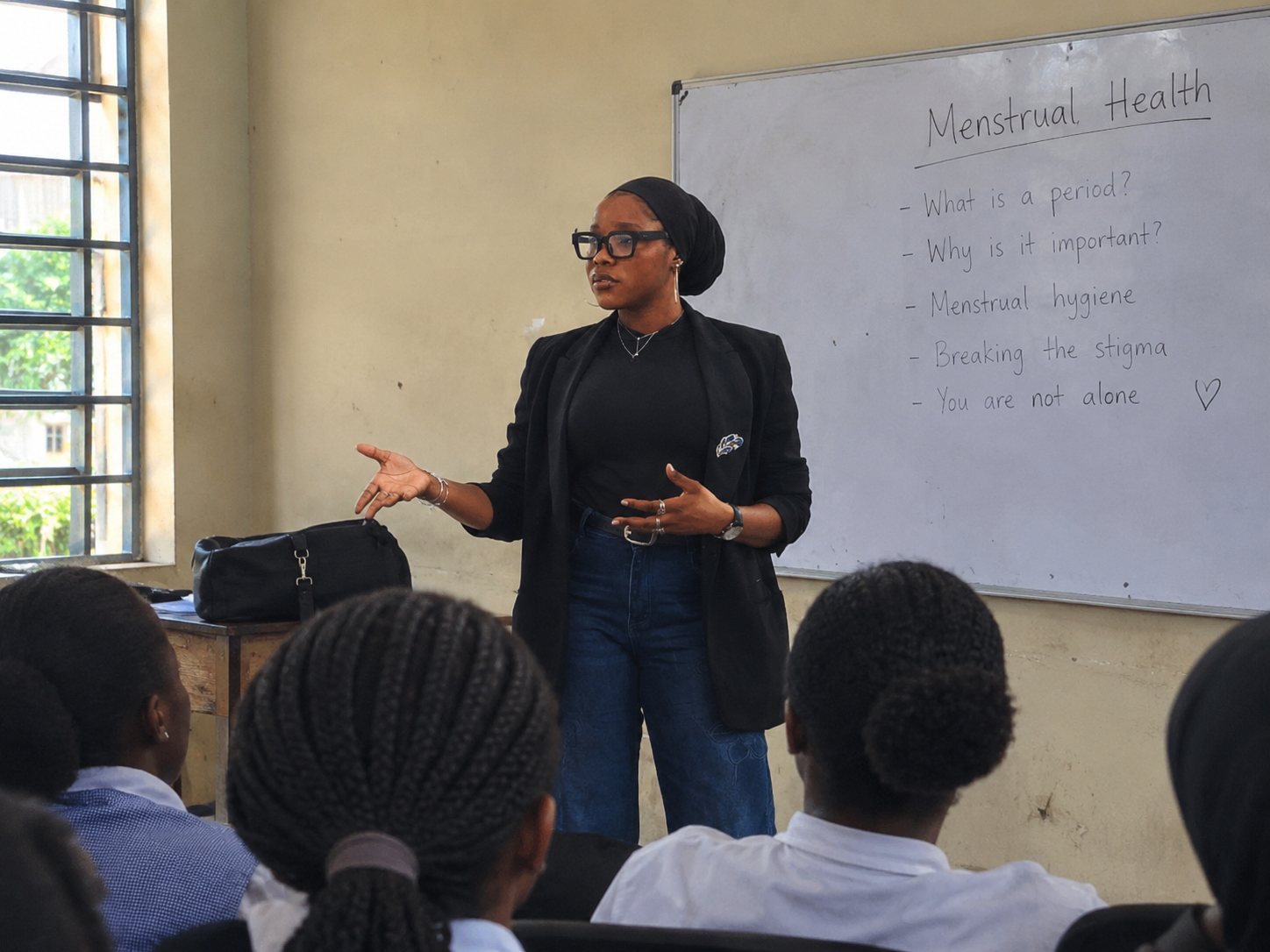
Good menstrual hygiene is the other half of the story. Change pads every four to six hours, wash your hands before and after, and never leave a tampon in for longer than eight hours. Use clean, dry materials, and if you rely on reusable cloth, wash it with soap and dry it fully in the sun. Sadly, many girls still miss school because they cannot afford sanitary products or have no private, clean place to manage their periods. That is not a personal failing. It is a gap that families, schools, and communities can close.
Perhaps the biggest change we can make is how we talk about periods. Silence breeds shame, and shame keeps people from asking questions and getting help. Parents can start these conversations before a daughter's first period arrives. Boys and men can learn to listen rather than laugh. When we treat menstruation as an ordinary part of life, which it is, girls grow into women who know their bodies and speak up for their health.