THE SILENT LANGUAGE OF MENSTRUATION: WHAT EVERY GIRL DESERVES TO KNOW
Menstrual health is not just about bleeding every month. It is about understanding the body, recognising its signals, and knowing when to listen.
Imagine receiving a letter every month, written in a language you were never taught to understand.
Sometimes the letter arrives early. Other times, it comes late. Occasionally, it carries pain, exhaustion, discomfort, or changes you cannot explain.
Now imagine being told that the only thing you need to do is fold that letter, hide it, and never speak about it.
For many girls and women, this is what menstruation has become.
We teach girls how to wrap sanitary pads discreetly, how to avoid staining their clothes, and how to conceal menstrual products from the opposite gender. Yet, somewhere in these lessons, we often forget to teach them something equally important: how to understand what their menstrual cycle is communicating about their health.
Menstruation is not a disease, a punishment, or a monthly inconvenience that must always be endured in silence. It is a natural biological process and an important aspect of reproductive health.
But how much do we really know about it?
Beyond the Blood: Understanding What Happens Inside the Body
Every month, the body undergoes a series of hormonal changes that prepare the uterus for a possible pregnancy.
During the menstrual cycle, the lining of the uterus thickens. If pregnancy does not occur, hormonal changes cause this lining to shed, leaving the body through the vagina as menstrual blood and tissue.
This process is known as menstruation.
Although a 28-day cycle is often presented as the standard, not everyone menstruates every 28 days. In adults, menstrual cycles commonly range from 21 to 35 days, while adolescents may experience longer or more irregular cycles, particularly during the first few years after menstruation begins.
Menstrual bleeding itself typically lasts between two and seven days.
Understanding these differences matters because girls who expect their bodies to follow one exact pattern may become unnecessarily frightened when their cycles differ.
However, variation does not mean that every menstrual change should be ignored.
Your Period Is Not Just a Date on the Calendar
One of the most overlooked aspects of menstrual education is the importance of observing menstrual patterns.
A menstrual cycle can offer useful information about reproductive and general health.
For instance, persistent irregularities may sometimes be associated with hormonal changes, stress, thyroid conditions, polycystic ovary syndrome (PCOS), or other health concerns.
Similarly, unusually heavy menstrual bleeding may contribute to iron-deficiency anaemia, which can cause fatigue, weakness, dizziness, and difficulty concentrating.
This is why menstrual tracking is more than simply predicting when the next period will arrive.
It can help individuals recognise changes in their bodies.
Tracking can include recording the first day of bleeding, how long menstruation lasts, the amount of bleeding, pain levels, and symptoms such as headaches or fatigue.
These observations can provide useful information during medical consultations.
The goal is not to become anxious about every small change, but to develop awareness of what is usual for one’s own body.
When Pain Becomes More Than Pain
There is a common expression that many girls hear growing up:
“It’s normal. Every woman experiences it.”
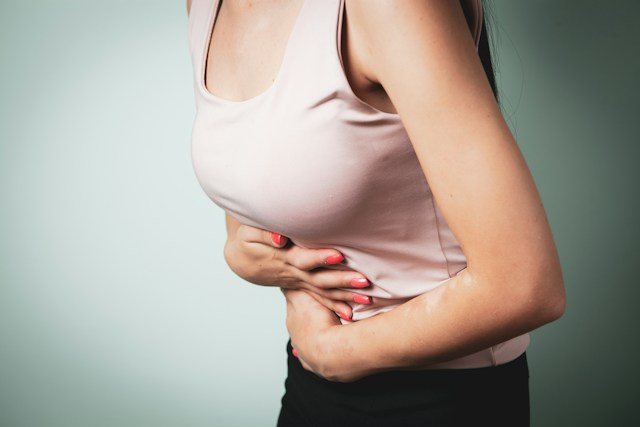
While mild menstrual cramps are common, severe or worsening pain should not automatically be accepted as an unavoidable part of womanhood.
Menstrual cramps often occur because the uterus contracts to help shed its lining. Chemicals called prostaglandins contribute to these contractions and can cause discomfort.
However, pain that repeatedly prevents someone from attending school, working, sleeping, or carrying out everyday activities deserves medical attention.
In some cases, severe menstrual pain may be associated with conditions such as endometriosis, adenomyosis, or uterine fibroids.
Not every painful period indicates an underlying condition, but persistent or disabling symptoms should be evaluated rather than dismissed.
The ability to endure pain should never become the standard by which a girl’s strength is measured.
Girls deserve to know that seeking medical help is not an act of weakness. It is an act of self-care.
Menstrual Hygiene Is About Health, Not Shame
Menstrual hygiene is frequently discussed in terms of cleanliness, but it should also be understood through the lens of dignity, access, and safety.
Good menstrual hygiene includes using clean menstrual products, changing them appropriately, washing hands before and after handling products, and keeping the external genital area clean.
Sanitary pads should be changed regularly, depending on the flow and the product’s instructions. Tampons should generally be changed every four to eight hours and should never be left in place for longer than eight hours.
The vagina is self-cleaning and does not require internal washing or scented products. Gentle cleaning of the external genital area is usually sufficient.
Menstrual hygiene also requires access to clean water, private toilets, safe disposal facilities, and affordable menstrual products.
For girls who cannot afford these necessities, menstruation can become a source of anxiety, missed school days, and social exclusion.
This reminds us that menstrual health is not merely an individual responsibility. It is also a public health and educational concern.
The Emotional Side We Rarely Discuss
Not every menstrual challenge is visible.
Some girls experience mood changes, irritability, anxiety, fatigue, or difficulty concentrating in the days before menstruation.
These symptoms may be associated with premenstrual syndrome (PMS), which is linked to changes occurring during the menstrual cycle.
For some individuals, symptoms are mild. For others, they may significantly affect daily life.
Severe mood-related symptoms that interfere with relationships, education, or everyday functioning may require professional evaluation.
Yet emotional experiences surrounding menstruation extend beyond hormonal changes.
A girl who has been mocked for staining her uniform may develop anxiety about menstruating in public.
Another who has been taught that periods are shameful may feel uncomfortable asking basic questions about her reproductive health.
Menstrual education must therefore address not only the biological process but also the social attitudes that shape how girls experience it.
Because sometimes, the most painful part of menstruation is not the cramps.
It is the embarrassment society has attached to something natural.
Why Boys Should Be Part of the Conversation
For generations, menstruation has often been presented as a conversation reserved exclusively for girls and women.
But menstruation is a biological process that everyone can benefit from understanding.
When boys receive accurate menstrual education, they are better equipped to challenge misconceptions, respond respectfully, and avoid behaviours that embarrass or stigmatise menstruating classmates.
A boy who understands menstruation is less likely to see a sanitary pad as something amusing or shameful.
A brother who understands menstrual discomfort may become more supportive.
A father who understands menstrual health may be better prepared to support his daughter’s needs.
Including boys in menstrual education does not take anything away from girls.
Instead, it helps create an environment where menstruation is treated with maturity rather than mockery.
The Education Every Girl Deserves Before Her First Period
A girl’s first period should not be the moment she begins learning about menstruation.
Education should come before the experience.
Age-appropriate menstrual education should explain what menstruation is, why it happens, how menstrual products are used, and what changes may occur during puberty.
Girls should also learn how to track their cycles, manage common discomfort, recognise symptoms that require medical attention, and seek support without embarrassment.
This knowledge should be accessible to girls regardless of their background, income, or location.
Parents, teachers, healthcare professionals, community organisations, and policymakers all have roles to play.
A school that teaches menstruation only as a topic in biology has not necessarily addressed the practical and emotional realities of menstrual health.
Education becomes meaningful when girls can apply what they have learned to their everyday lives.
Changing the Conversation, One Girl at a Time
Perhaps the real question is not whether we have talked enough about menstruation.
It is whether we have taught girls enough to understand it.
Have we explained why cycles sometimes change?
Have we taught them when heavy bleeding may require medical attention?
Have we created spaces where they can ask questions without being laughed at?
Have we reminded them that menstrual products are healthcare necessities, not objects of embarrassment?
And most importantly, have we taught them that their bodies deserve attention even when their symptoms are not visible to others?
Menstrual health education should never end with instructions on how to prevent stains.
It should equip girls with the knowledge to recognise their bodies’ patterns, make informed decisions, and advocate for their wellbeing.
Conclusion: Let the Body Speak, Let Knowledge Answer
Menstruation is often described as a monthly visitor, but perhaps it is time to see it differently.
It is a recurring biological process that can offer useful clues about health, although it cannot diagnose medical conditions on its own.
When a period arrives unexpectedly, becomes unusually painful, grows significantly heavier, or changes in a concerning way, the answer should not always be silence or endurance.
Sometimes, the answer is education.
Sometimes, it is reassurance.
And sometimes, it is professional medical care.
We must move beyond teaching girls how to conceal menstruation and begin teaching them how to understand it.
Because the goal of menstrual education is not simply to help a girl survive her period. It is to help her understand her health, protect her dignity, and recognise when her body needs care.
The body has its own language. Every girl deserves the education to understand it.
This is an original, educational, publication-style article with a catchy opening, medical information, and a strong advocacy message suitable for a menstrual health awareness platform.